Ingredient Research Details
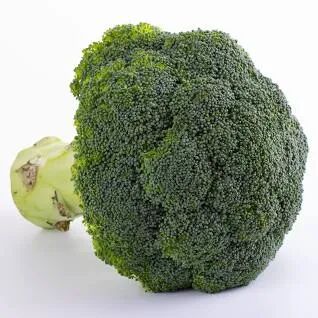
Sulforaphane
March 28, 2025
Broccoli contains a powerful phytonutrient called “Sulforaphane.” According to the authors of a 2016 published review study, “SFN (Sulforaphane) is one of the most frequently studied plant-derived isothiocyanate organosulfurcompounds. It has been reported to exhibit a wide range of biological effects including antioxidant (Fahey and Talalay, 1999), antimicrobial (Johansson et al., 2008), anticancer (Amjad et al., 2015),anti-inflammatory (Greaney et al., 2016), anti-aging (Sikdar et al., 2016), neuroprotective (Tarozzi et al., 2013), and antidiabetic (Lee et al., 2012).” Kim JK, Park SU. Current potential health benefits of sulforaphane. EXCLI J. 2016 Oct 13;15:571-577. doi: 10.17179/excli2016-485. PMID: 28096787; PMCID: PMC5225737. Fahey J, Talalay P. Antioxidant functions of sulforaphane: a potent inducer of Phase II detoxication enzymes. Food ChemToxicol. 1999;37:973–979. Johansson NL, Pavia CS, Chiao JW. Growth inhibition of a spectrum of bacterial and fungal pathogens by sulforaphane, an isothiocyanate product found in broccoli and other cruciferous vegetables. Planta Med. 2008;74:747–750. Amjad AI, Parikh RA, Appleman LJ, Hahm E-R, Singh K, Singh SV. Broccoli-derived sulforaphane and chemoprevention of prostate cancer: from bench to bedside. Curr Pharmacol Rep. 2015;1:382–390. Greaney AJ, Maier NK, Leppla SH, Moayeri M. Sulforaphane inhibits multiple inflammasomes through an Nrf2-independent mechanism. J Leukoc Biol. 2016;99:189–199. Sikdar S, Papadopoulou M, Dubois J. What do we know about sulforaphane protection against photoaging? J CosmetDermatol. 2016;15:72–77. Tarozzi A, Angeloni C, Malaguti M, Morroni F, Hrelia S, Hrelia P. Sulforaphane as a potential protective phytochemical against neurodegenerative diseases. Oxid Med Cell Longev. 2013;2013:415078. Lee JH, Moon MH, Jeong JK, Park YG, Lee YJ, Seol JW, et al. Sulforaphane induced adipolysis via hormone sensitive lipase activation, regulated by AMPK signaling pathway. Biochem Biophys Res Commun. 2012;426:492–497.
Share this post: